Where Community Trust Opens Doors
How LCFC is building new pathways between families and institutions that may have once felt out of reach.
COLORADO - A woman's husband relies on oxygen, but the family cannot afford the electricity keeping his medical equipment running.
Another household loses its primary income after a deportation and suddenly falls behind on its energy bills.
Across Aurora, families quietly skip groceries, visit food pantries or postpone other necessities to keep the lights on.
These are not circumstances a utility company would necessarily see in an application, customer-service call or spreadsheet. They surface through conversations held in barbershops, restaurants, churches and on the sidelines of neighborhood soccer games.
They surface because someone trusted was there to listen.
In Aurora, one Community Action Partner, or CAP, spends about 10 hours each week meeting residents wherever they already gather.

“They know each other there. They trust each other there. And those are the places I meet them,” he said.
The Aurora CAP is an immigrant himself. He grew up in Ethiopia, lived in Peru after college, and years later moved to the United States. His work has consistently centered on walking alongside communities with limited access to resources.
When he learned about the opportunity to become a CAP through the Latino Community Foundation of Colorado (LCFC), he saw another way to continue that service.
“I saw it as a role to serve the community,” he said. “That motivated me to be a part.”
He speaks Spanish and two Ethiopian languages, allowing him to connect with Latino and African immigrant communities. But his approach extends beyond language or identity.
“Whoever gives me a chance to talk to them,” he said, is part of the community he hopes to reach.
Building connection through Power Together
The CAPs are the heartbeat of Power Together, a partnership built to bridge the distance between residents, their needs and Xcel Energy.
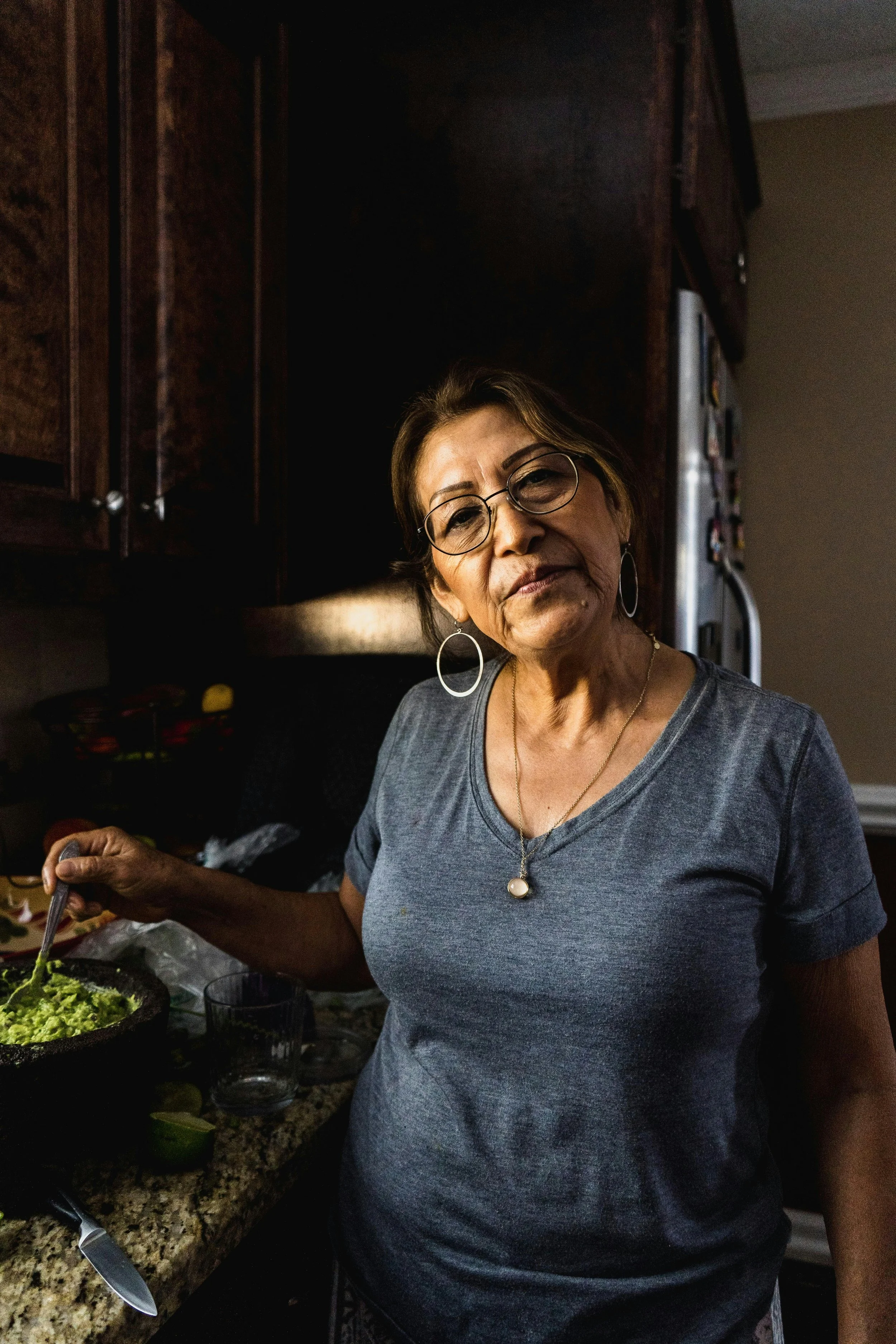
A dedicated team of LCFC staff, CAPs, and contracted professionals supports the work across Denver, Aurora, and the San Luis Valley. Reflecting the diversity of the communities they're part of, CAPs bring different cultural backgrounds, languages and lived experiences, united by a commitment to expanding equitable access to affordable and sustainable energy.
They build relationships with residents, businesses, nonprofits and community organizations to better understand the barriers families face. Their role goes beyond gathering information. CAPs listen to community members where they live, work and gather, then help turn what they hear into meaningful connection.
Their insights have helped simplify engagement tools, shift conversations toward community-level trends and priorities, increase awareness of existing energy programs and inform new community-led pathways that more closely reflect what communities need.
Through Power Together, community voices are not added after decisions have been made. They play a direct role in shaping the work.
That model recognizes a truth at the center of LCFC's approach: effective community engagement is built through trust, consistency and authentic relationships. CAPs are successful because they are not simply working in these communities. They are part of them.
Listening where trust already lives
That belonging shapes how the Aurora CAP approaches every conversation.
“I meet the community where they are at,” he said.
For him, that means adjusting not only the location, but also the timing.He often meets residents during afternoons, evenings and weekends. He attends community events and visits local businesses, churches and recreational spaces where people already know one another.
Those conversations reveal how difficult it can be for families to access even the programs created to support them.
More than 160 languages are spoken in Aurora schools, reflecting the extraordinary cultural and linguistic diversity of the city. Yet information about energy bills, assistance and home-efficiency programs is often available primarily in English and, in some cases, Spanish.
“The language barrier is huge,” the CAP said. “Accessing information is very limited.”
Even when information is available, language is only one layer of the challenge. Residents may not know which programs apply to them, where to begin or whom they can safely ask for help.
For many families, the current political environment has made that uncertainty even heavier.
“People are afraid to talk to strangers or somebody they don't know because they're afraid of who can leak their information,” he said.
That fear can keep people from explaining what they are experiencing or applying for programs designed to help them.
A familiar face changes the equation.
A different way to structure partnership
That two-way movement of knowledge is what makes the model powerful.
Traditional corporate philanthropy often begins with an institution deciding what a community needs, then investing in a predetermined answer.
This partnership begins somewhere else: with the people living the challenge.
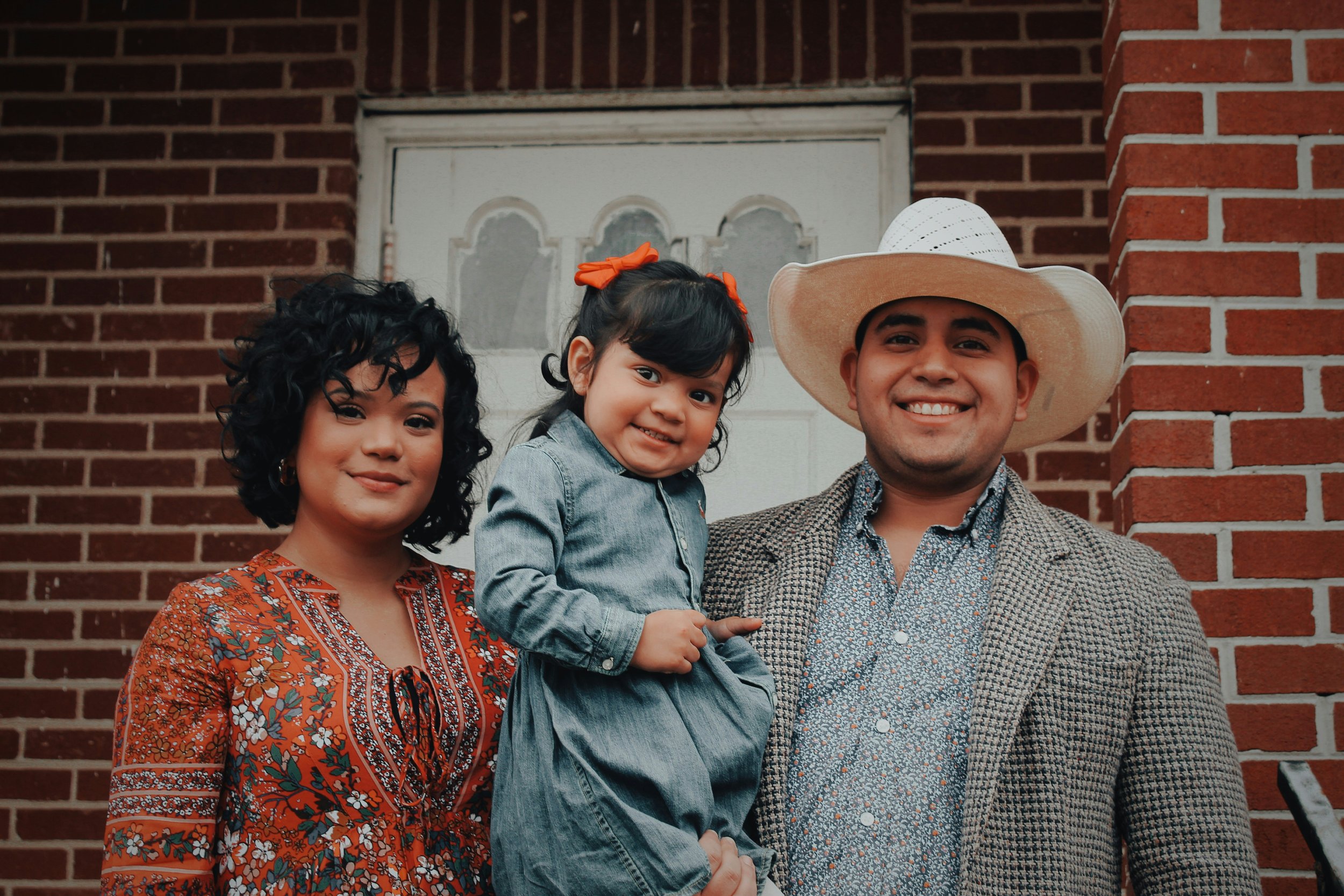
LCFC brings its authentic relationships, cultural understanding and community-centered approach to philanthropy. Xcel Energy brings access to programs, technical knowledge and the institutional ability to change how resources reach customers. CAPs connect those worlds, helping residents navigate existing systems while showing company leaders where those systems may be falling short.
This is not corporate philanthropy, this is partnership building an infrastructure of trust to implement meaningful change.
This is not corporate philanthropy, this is partnership building an infrastructure of trust to implement meaningful change.
It reflects LCFC's belief that the people closest to the challenges are also closest to the pathways forward. Listening is not a courtesy added to the process. It is part of the strategy.
Without a trusted person bridging that distance, an available program can remain effectively inaccessible.
The stories behind the bill
The hardest moments are the stories without easy answers: a family losing an income after a deportation, a household managing a serious illness or a resident facing disconnection while a loved one relies on medical equipment.
But even the strongest program can protect only the people who know it exists, trust the process and can navigate the application.
That is where CAPs become essential.
“To avoid losing power, people will sacrifice other things,” the Aurora CAP said.
Food is often among the first.
“I have heard of people giving up going for groceries so they can afford to pay the bill,” he said. “These are the families these programs can reach.”
From Aurora to the San Luis Valley
Hundreds of miles away, the partnership adapts to the distinct realities of the San Luis Valley.
There, Lupita serves as the Community Action Partner for the region.
She connects residents with energy assistance programs and introduces them to opportunities they may not know are available.
She translates programs for the community and community realities for the institutions.
Building pathways with, not for, community
Across two very different regions of Colorado, CAPs are making visible what institutions cannot always see on their own.

They see the mother weighing an energy bill against groceries. They understand why a resident may hesitate to provide personal information. They hear how language, geography, fear and unfamiliar systems can turn an available resource into one that still feels out of reach.
LCFC and Xcel Energy's partnership offers a different blueprint for philanthropy and corporate partnership: one where funding does not arrive before listening, reach does not come at the expense of trust and community members are not treated as the final recipients of a pathway designed somewhere else.
They are helping design it.
Because when companies and philanthropic organizations listen together, they can see more clearly. When they invest in trusted community leaders, they can reach further. And when community remains at the center, partnership can become more than an agreement between institutions.
It can become a pathway to shared power.