
Philanthropy That Builds Community Power
How Emma’s gifts of time and talent helped LCFC grow into an independent force for Colorado’s Latino communities.
August 18, 2026
COLORADO— Before the Latino Community Foundation of Colorado (LCFC) became an independent organization, Emma Schwarz was already helping build the foundation beneath it.
At the time, LCFC was a project of Rose Community Foundation, where Emma had built a career in finance and accounting. Her first contributions happened mostly behind the scenes, supporting the accounting work and helping LCFC navigate the operational questions that came with its growth.
The work was practical. The connection soon became personal.
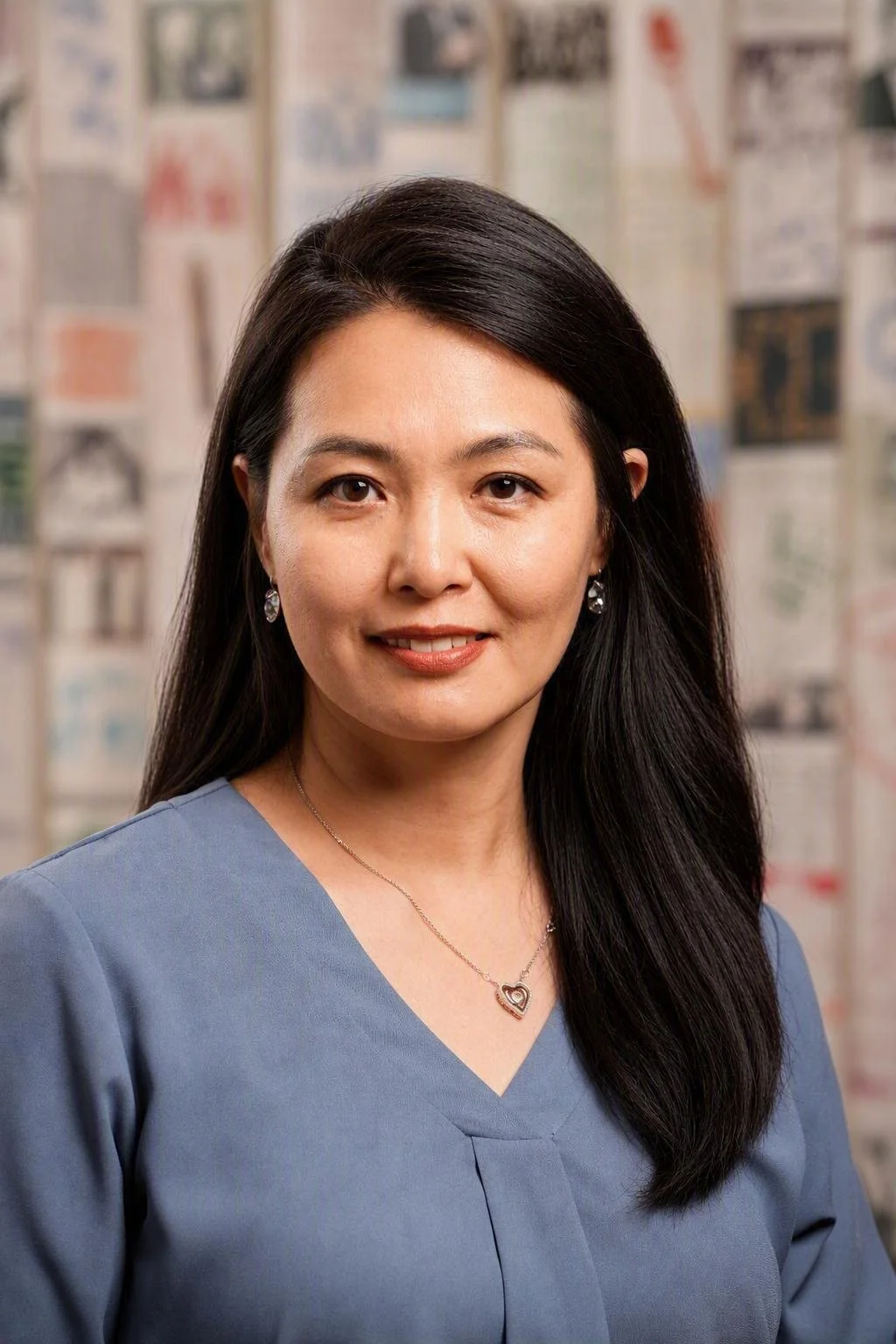
As LCFC grew, Emma Schwarz watched its team expand from two people working in a small office to an organization with a larger staff, a bolder vision and an increasingly powerful role in Colorado’s philanthropic landscape.
“I could see the team working, growing and doing so much,” she recalled. “It was just the people. It was so easy for me to say yes.”
Her service became one example of what is possible when people contribute more than funding alone. Emma offered her time, professional experience and steady presence during a pivotal chapter in LCFC’s history.
One meeting in particular changed how Emma understood philanthropy and what it could make possible.
During the COVID-19 pandemic, she listened as Carlos Martinez, LCFC President & CEO, described LCFC’s vision for responding to the needs of Latino communities. The ideas were rooted in an intimate understanding of the community and paired with solutions that extended far beyond writing checks.
LCFC was investing in nonprofit leaders, strengthening organizations, building capacity and mobilizing donors. It was demonstrating that Latino families and community members could be philanthropists themselves, whether they contributed monthly, made a significant gift or offered their expertise.
Emma saw a model that did not separate the people experiencing challenges from the people capable of creating solutions.
“It wasn’t just, ‘We need to give money. It was capacity building, helping the leadership of nonprofits, giving money and also asking individuals and donors to give,” said Emma.
LCFC was bringing different parts of the community together, recognizing what each could contribute and building an ecosystem in which resources, leadership and decision-making power could circulate more equitably.
For Emma, the moment was revelatory.
“I was just thinking, ‘Wow, I need to do this with my community,’” she said. “I don’t need to reinvent the wheel.”
That is the wider impact of partnership. The knowledge shared in one committee meeting can travel into another community. A professional skill offered during an organizational transition can help create the infrastructure for years of growth. An invitation to participate can awaken the philanthropist someone may not yet recognize within themselves.
Emma initially joined LCFC to help with its numbers. Along the way, LCFC expanded her understanding of what those numbers can represent: trust, participation, shared responsibility and a community’s ability to invest in its own future.
Her story also reflects a truth that has guided LCFC from the beginning. Strong institutions are not built by one person or through one form of giving. They are shaped by people who choose to walk alongside the work, offering what they have and remaining open to what they may receive in return.
For Emma, saying yes was an easy choice.
What followed helped build something much bigger.